
MENU
  • Overview
  • Booklets
    • Overview
    • Deciding on Key Content
    • Designing the Booklets
    • Browse Booklets
  • Tangible Tools
  • Other Materials
  • Greenlight HELP Activity

Toolkit Components

  • Overview
  • Deciding on Key Content
  • Designing the Booklets
  • Browse Booklets

Deciding on Key Content

To help determine which messages to include in the Greenlight toolkit, a systematic review of published scientific articles was conducted.

Read our systematic review of published scientific articles.

Because little is known about successful evidence-based interventions to prevent obesity in children less than 2 years of age, we also carefully reviewed what works for older children and adults.

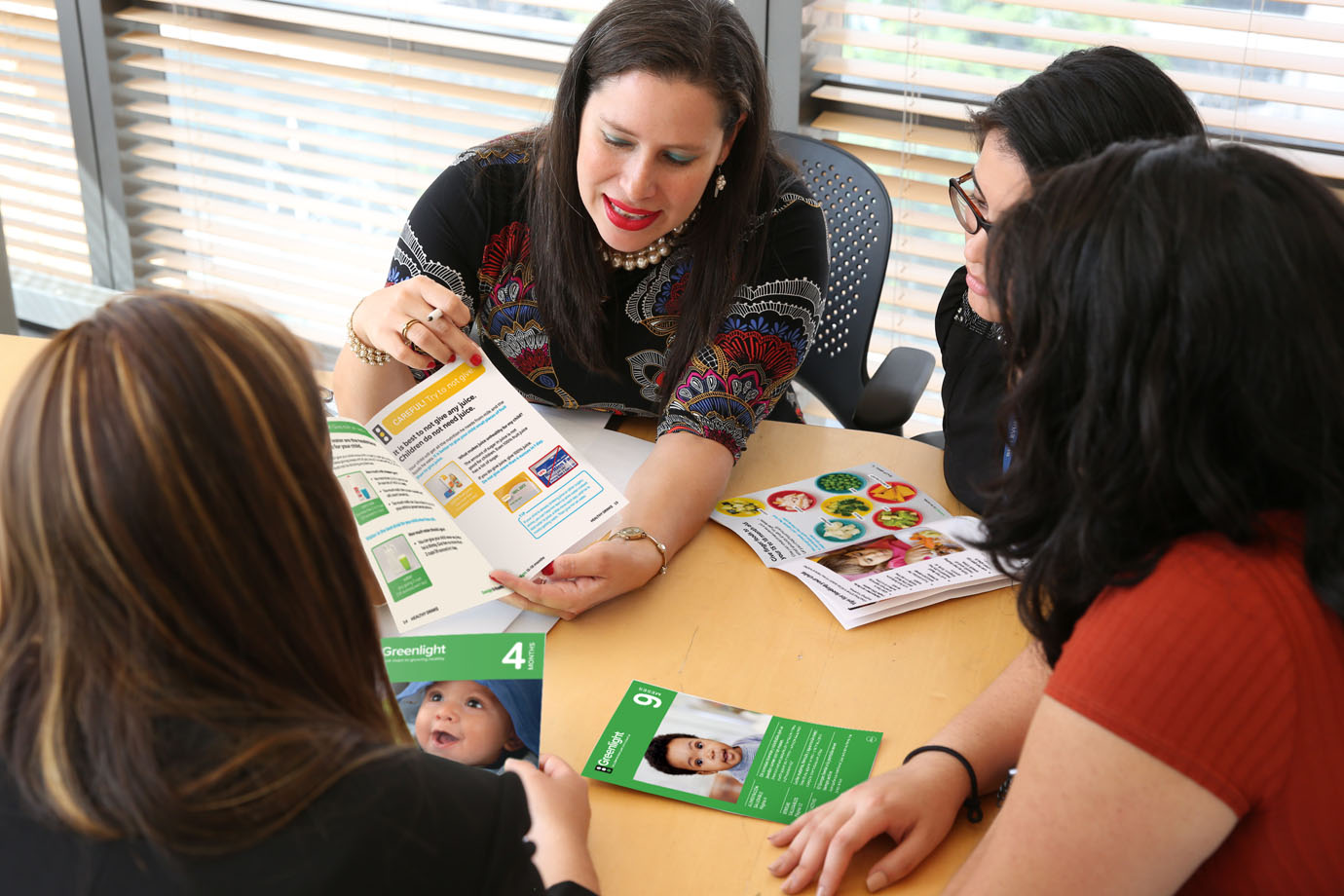
A team of experts helped to craft the Greenlight materials, including pediatricians, health educators, nutritionists, nurses, experts in obesity, child development and health literacy, as well as parents. The following key areas became the focus for Greenlight:

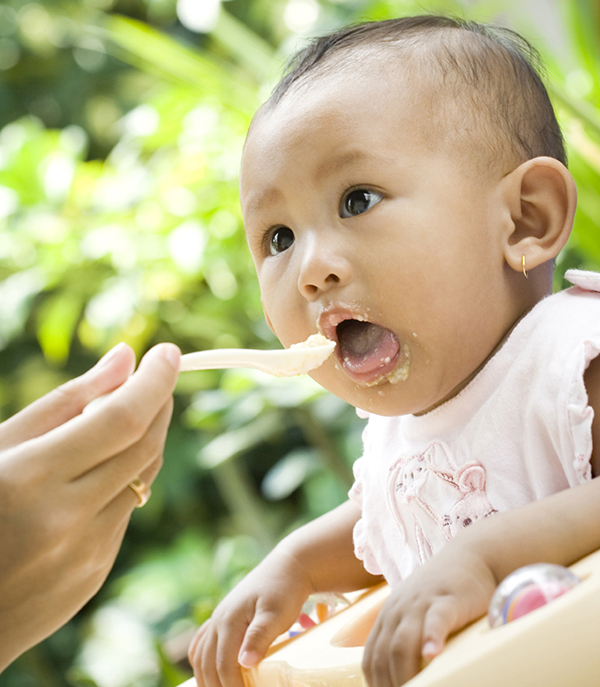
1 Hungry or full? Following a baby’s satiety cues

It is important for parents to learn to recognize when their baby is showing them that they are hungry or full – also called the baby’s “satiety cues”. When parents respect these cues, this helps the baby learn to listen when their body tells them they have had enough to eat or need more to eat to stay healthy.

Children of mothers who use controlling feeding styles, including pressuring to feed, have been found to have greater difficulty self-regulating intake, increasing the risk for obesity. Instead, experts recommend a responsive feeding style, where a baby’s satiety cues are followed.
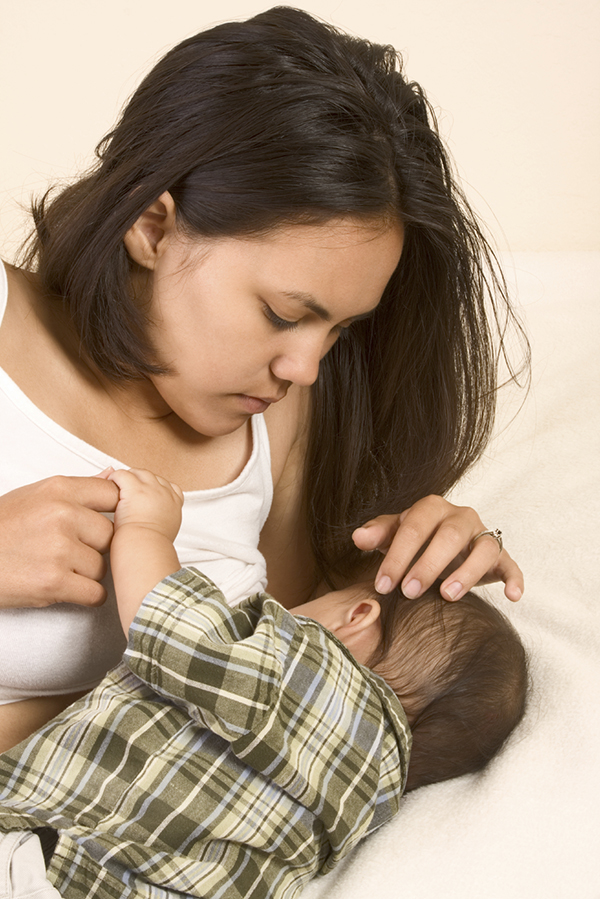
2 Breastfeeding – For as long and as often as possible

Experts agree that breastmilk is the best milk for babies. The American Academy of Pediatrics recommends that mothers breastfeed exclusively for the first year of life.

Benefits of breastfeeding extend to both the mother an child, including less chance for a baby getting asthma or allergies, and improved brain development. Some studies also show a link between breastfeeding and decreased likelihood of childhood obesity. For mothers, breastfeeding helps with weight loss and lowers the chance of breast cancer.

3 Starting baby foods at the right time – Not too early

Timing the start of baby foods is important. If a parent starts baby foods too early, their baby may not be developmentally able to show the parent when he is no longer hungry—for instance, by turning away. This makes it easier to overfeed the baby. It is best to wait until closer to 6 months of age to start baby food.

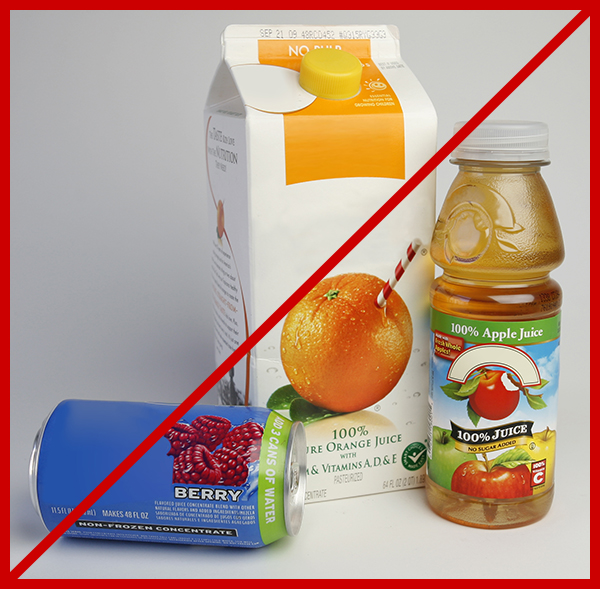
4 Avoiding juice and sugary drinks

It is best not to give babies juice or sugary drinks. The American Academy of Pediatrics recommends no juice at all before age 12 months. This is because studies have linked drinking too much juice and sugary drinks to obesity. The sugar in juice and other drinks can lead babies to gain too much weight and can be bad for their teeth. Also, when children start to drink juice and sugary drinks when they are babies, they are more likely to grow up preferring to drink sugary things. Preventing the “juice” habit from forming is one way parents can help keep babies healthy and strong.

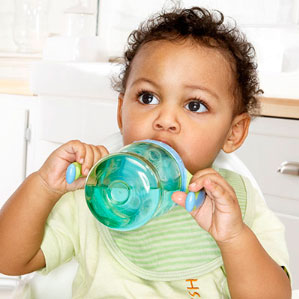
5 Switching from a bottle to a cup by 1 year of age

It is recommended that babies switch from a bottle to a cup by 1 year of age. It is much easier to make the switch before 1 year of age than when the child is older. Prolonged bottle use may increase the risk of obesity, as it promotes unrestricted access to bottles containing juice and other sugary drinks throughout the day.

6 Getting the right amount of baby food (portion size)

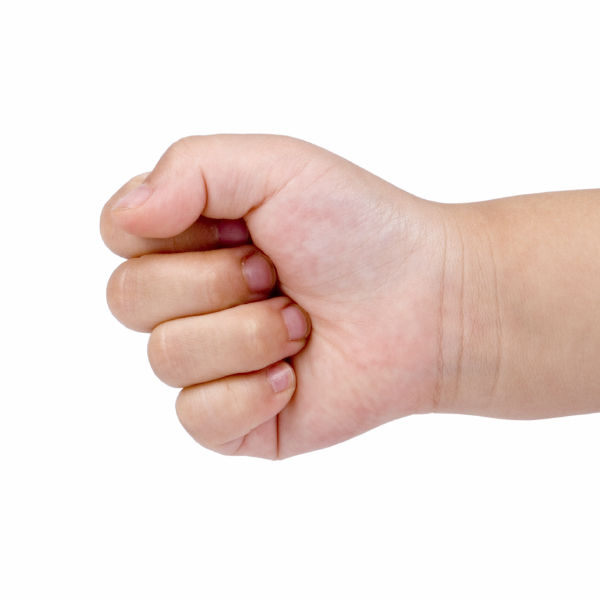
Oversized portions have been linked to obesity. Learning to give the right amount of baby food — not too much and not too little — may help prevent obesity. As a baby grows, the right “portion size” of each food changes. The Greenlight booklets help parents understand how to give the right amount of each kind of food. We teach parents to use the size of the baby’s fist or palm to know the right “portion size” for each kind of food, as their child grows.

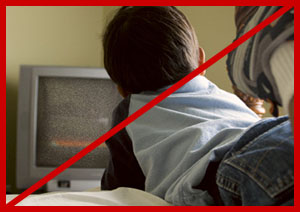
7 Limiting screen time

For babies and toddlers, screen time means less time to be active. Not having enough physical activity has been linked to obesity. The American Academy of Pediatrics advises that children under 18 months of age should not watch anything on a TV, tablet, smart phone, or computer screen.

8 Promoting active time for the whole family

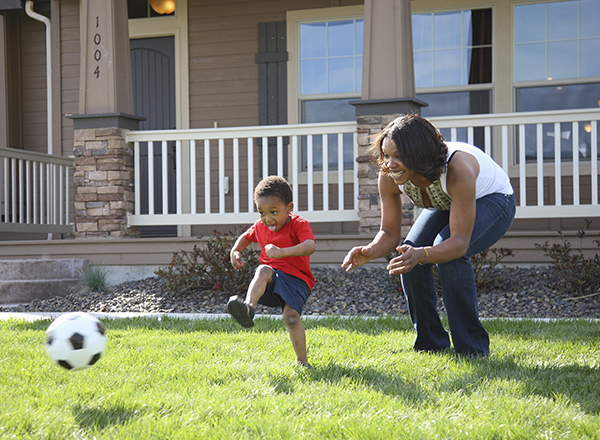
Getting the whole family involved makes it easier for everyone to stay active. Identifying specific ways to have fun and be active as a family - both outdoors and indoors – can be helpful in ensuring that active time is maintained across seasons.

9 Promoting healthy eating for the whole family

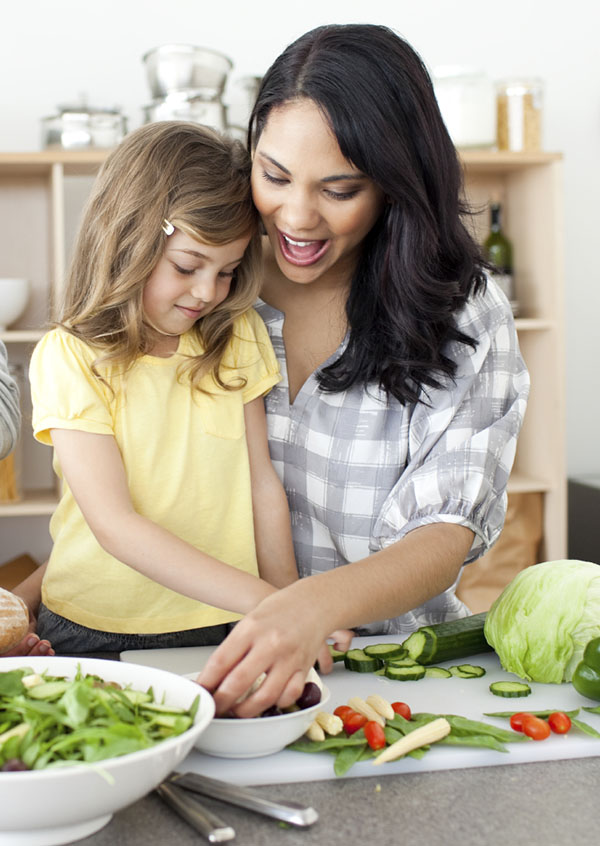
The birth of a new baby is a good opportunity to promote healthy eating habits for the whole family. Parents need to set a good example. Involve family, especially children, in choosing healthy foods and preparing meals. Family meal times, with no screens, is best.

CONTACT US
© 2026 Greenlight
Contact Us / Terms & Conditions / Privacy Policy