MENU

Our Approach

To ensure clear communication between providers and families, principles of health literacy are used as part of the Greenlight intervention.

Providers are encouraged to employ a set of complementary strategies.

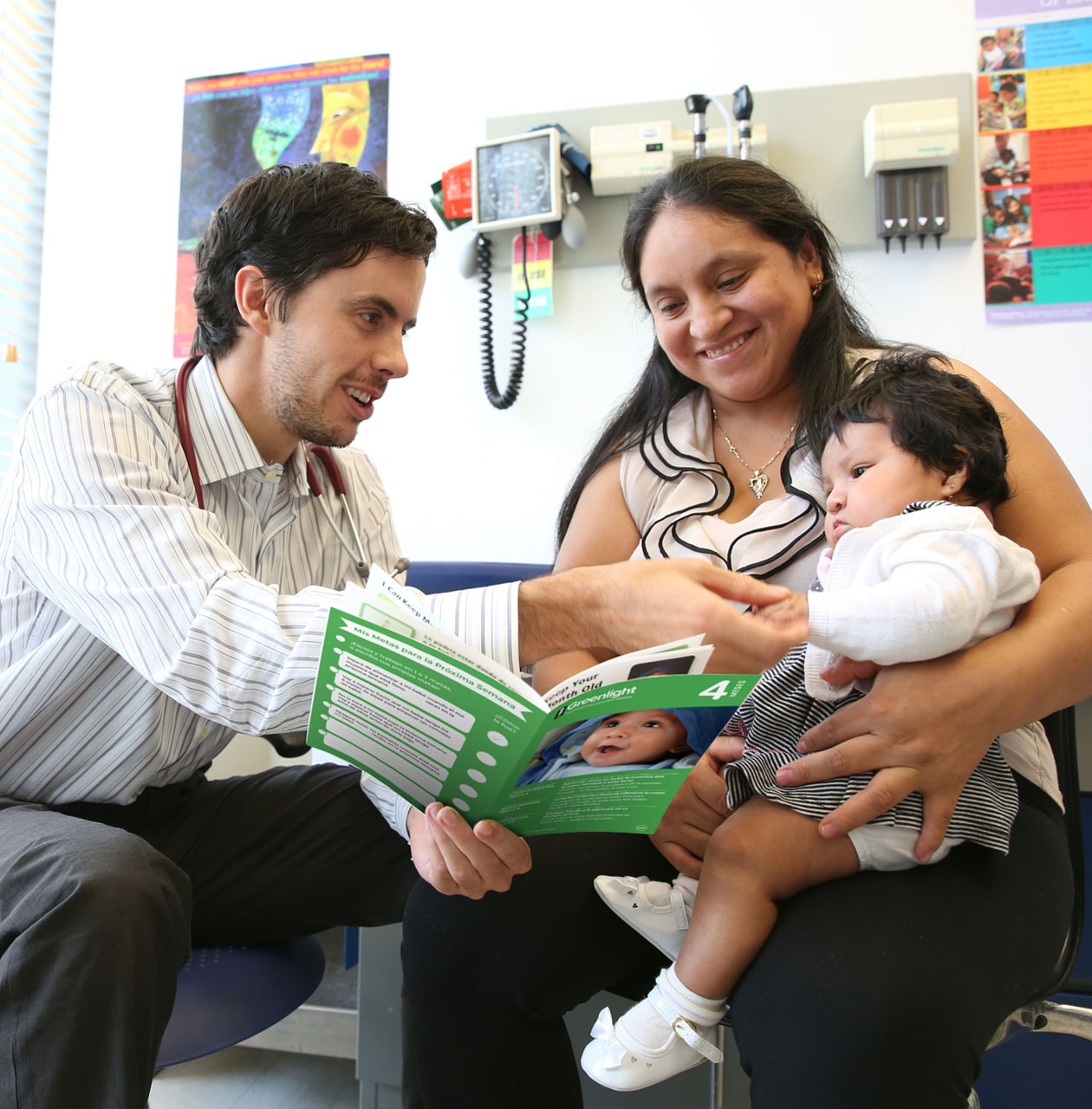
  • Verbal Communication. Greenlight promotes provider use of evidence-based verbal communication strategies to ensure parent understanding.
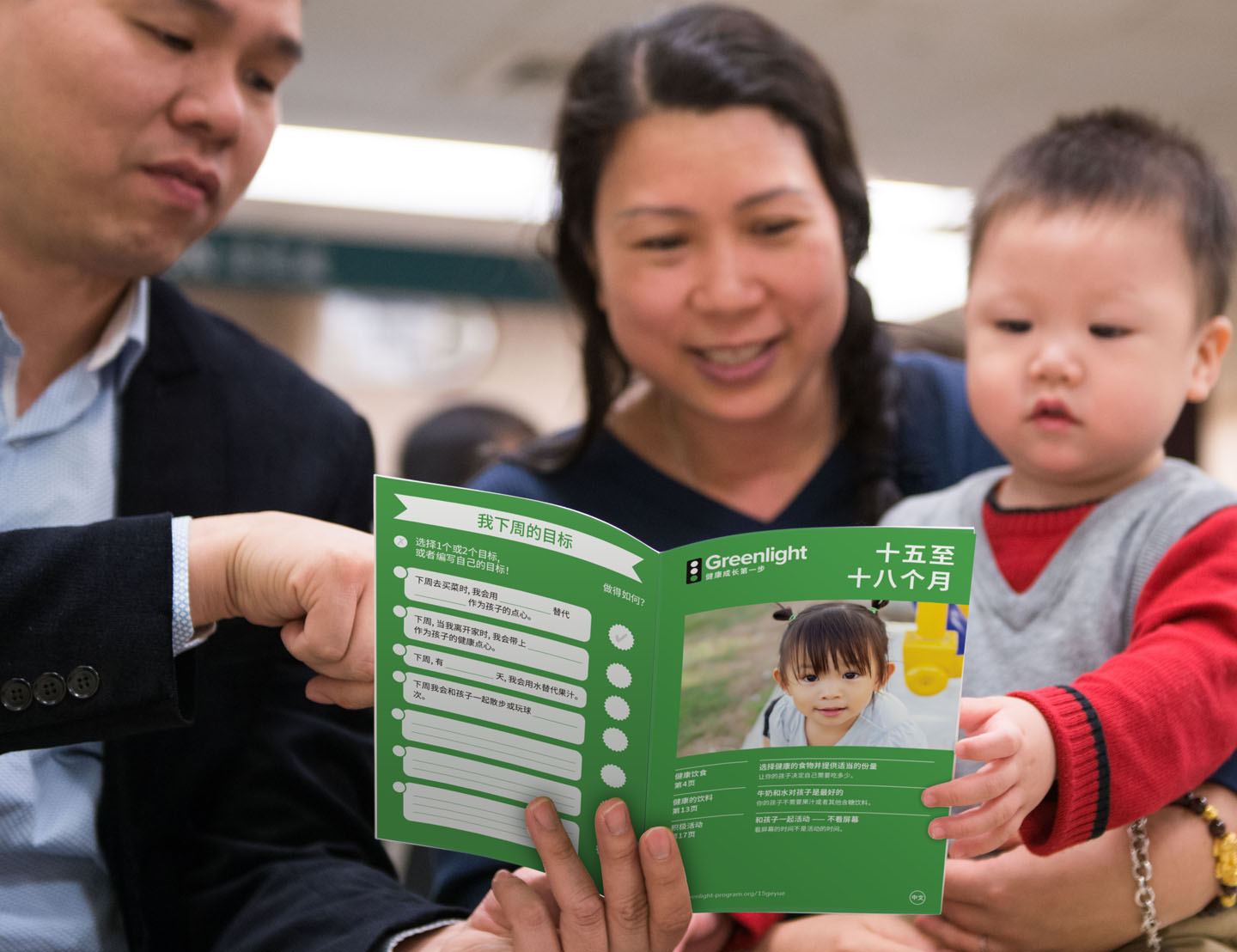
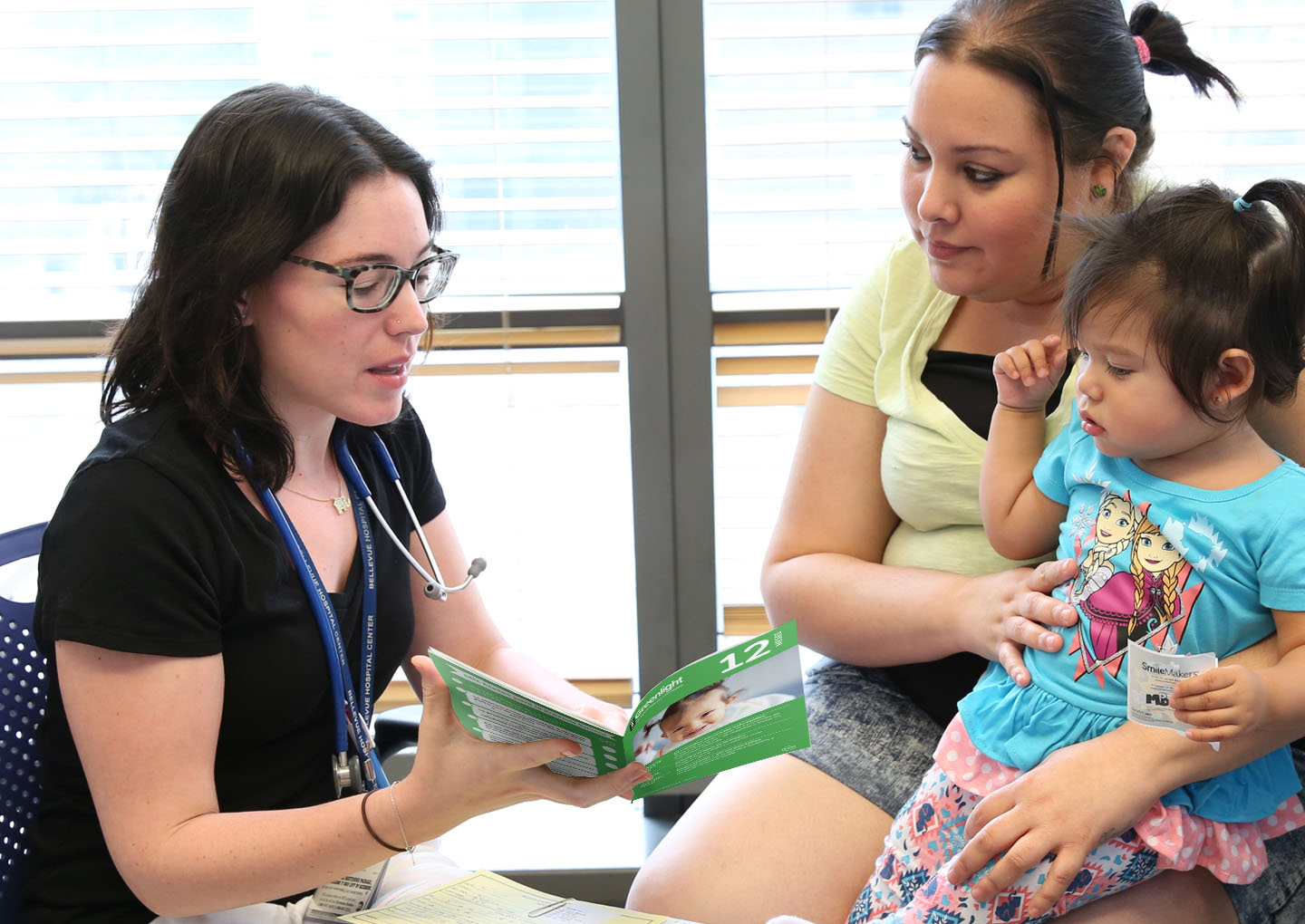
  • Low Literacy Written Materials. The images and text included in the Greenlight booklets were carefully chosen to support effective health provider counseling.
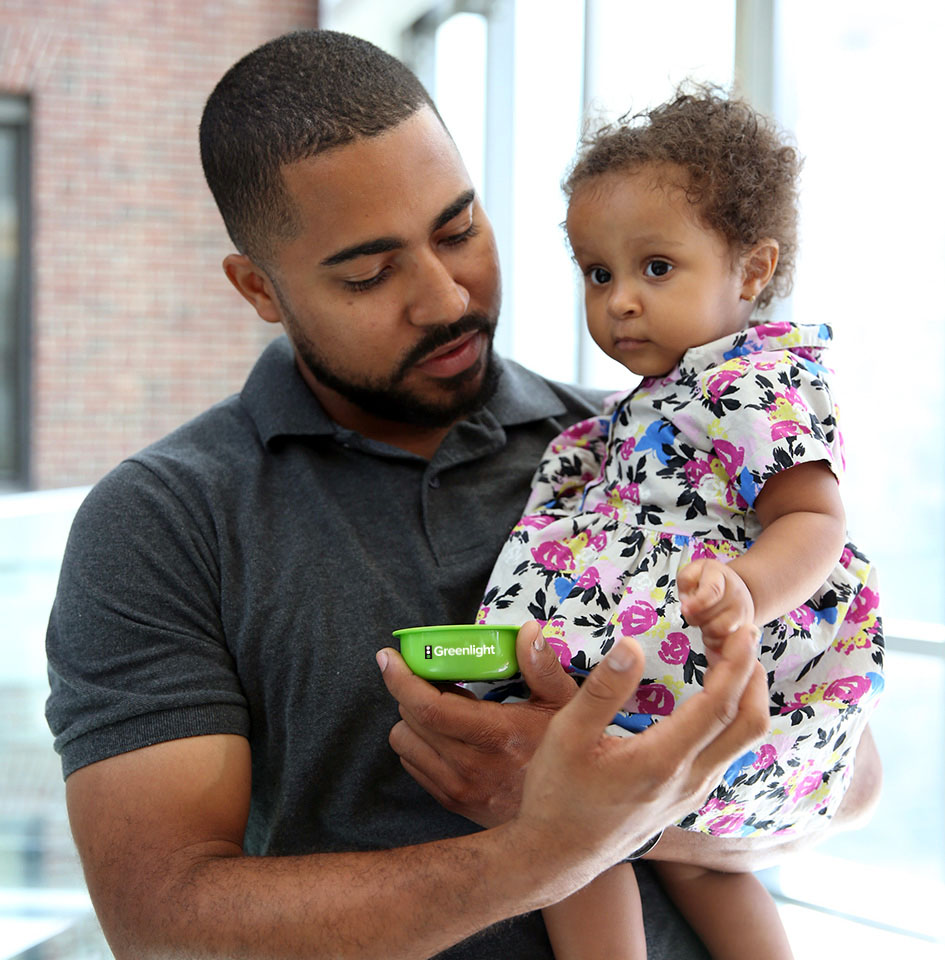
  • Tangible Tools. Greenlight “tools” are given to families by their trusted healthcare provider — helping to reinforce Greenlight messages.

Verbal Communication

Everyone benefits when clear communication strategies are used, regardless of their literacy level. We therefore encourage providers to use recommended communication strategies with every family — a “universal precautions” approach. These strategies include the following:

1 Plain language

When speaking with parents, providers should:

  • Use everyday “living room” language and avoid medical jargon.
  • Limit advice to 2-3 core messages focused on behaviors or actions.
  • “Chunk” information, focusing on one message at a time.
  • Use concrete terms and examples.
  • Make information personally relevant and culturally appropriate.
2 Using teachback to ensure understanding

Providers should check if parents or patients understand by asking them to say in their own words what they understood of the information presented by the provider. Use of teachback has been linked to improved knowledge and health outcomes.

Tips to ensure the successful use of teachback:

  • Ask for teachback on a small “chunk” of information at a time.
  • Present teachback in a low pressure way, not like it is a “test.” For example, say: “I want to make sure I did a good job explaining the best ways to start baby foods with Jennifer. Can you tell me in your own words how you plan to do this?”
  • Several “cycles” of teachback may be needed to “close the loop” of understanding.
  • Choose 1-2 of the most important things to do teachback with; it is not necessary (or practical) to do teachback on every issue.
3 Goal-setting

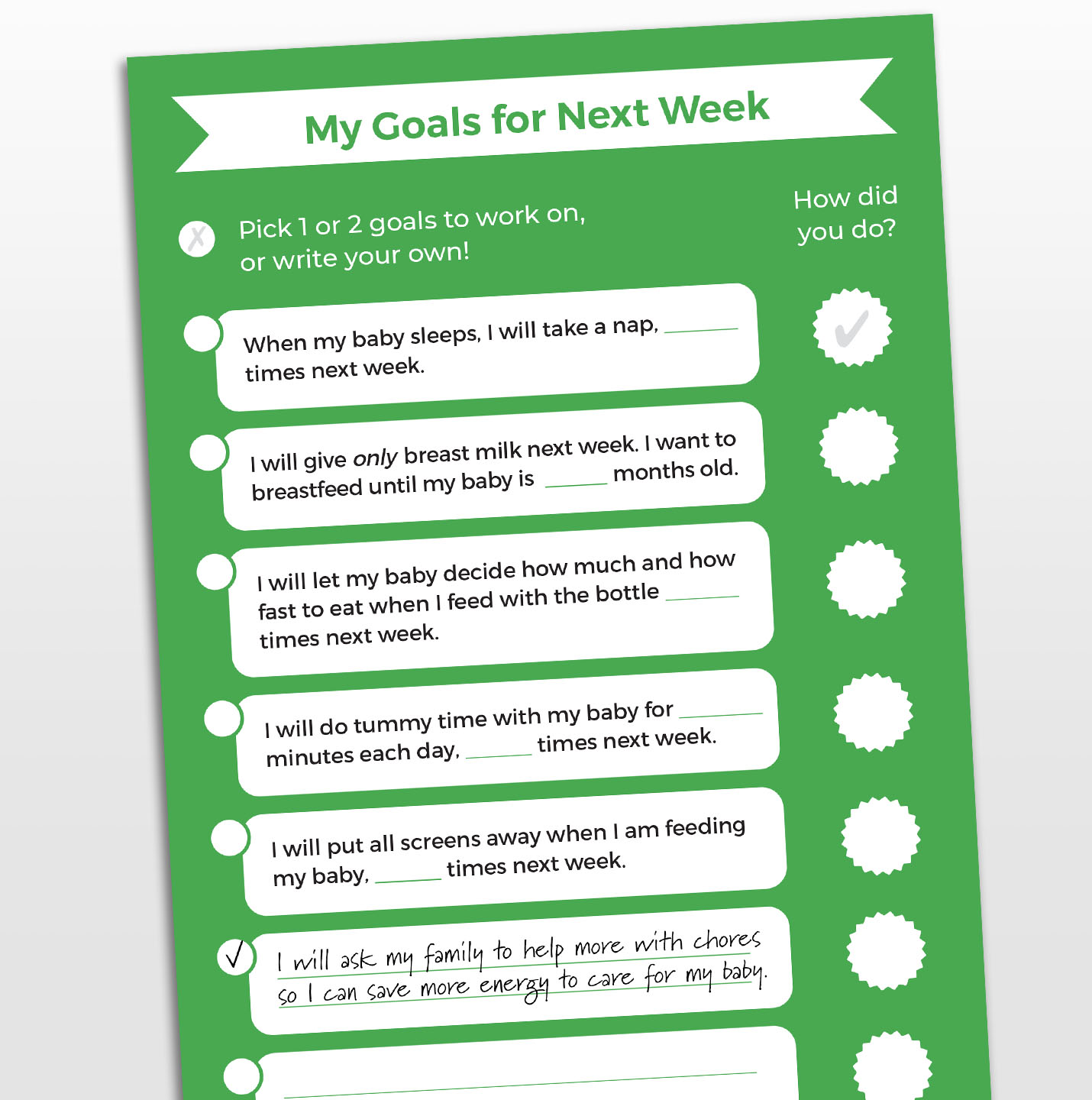
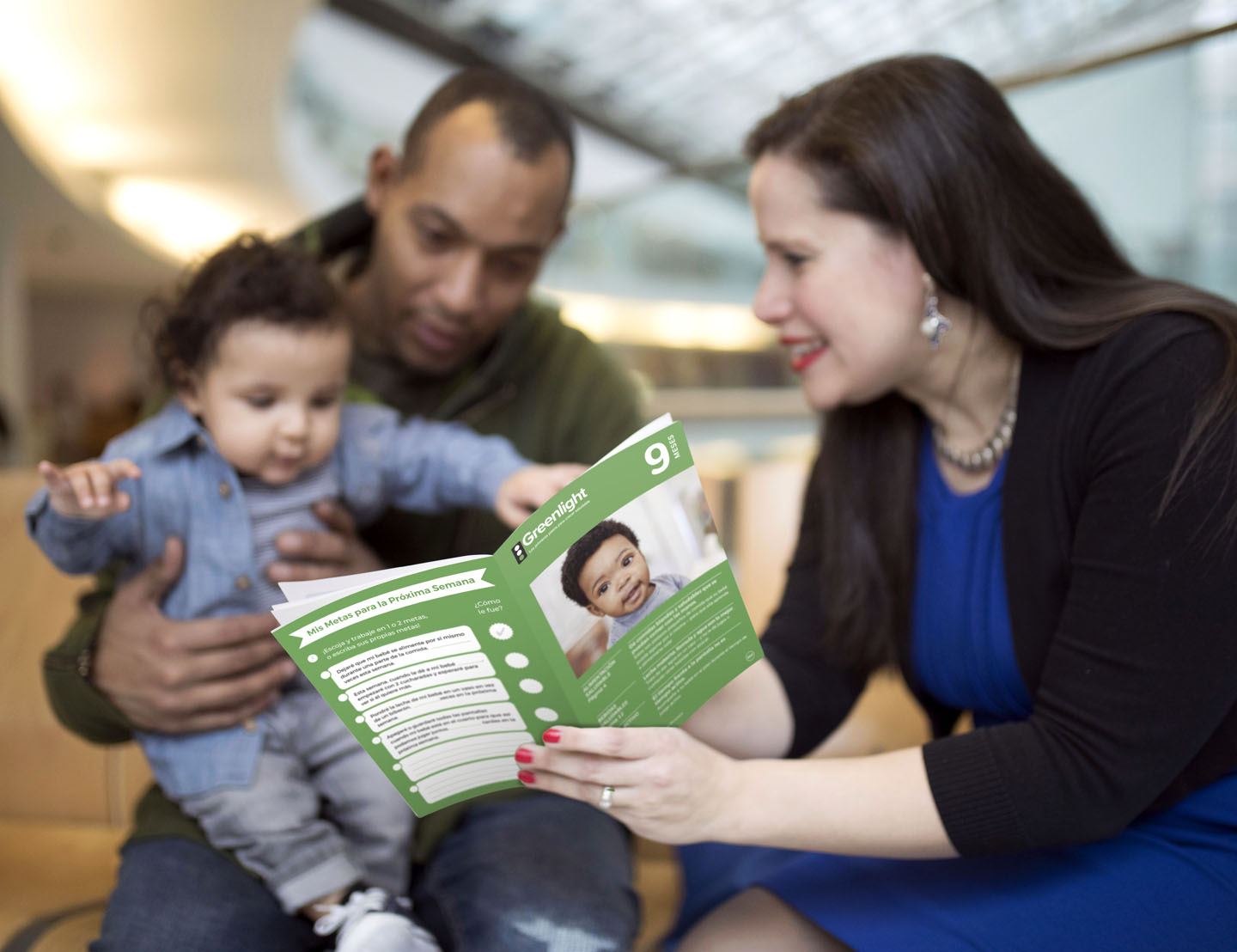
On the last page of all core booklets, there is a goal setting page that providers can use as a springboard for discussion. The best goals are the ones that the family initiates. When done thoughtfully, providers can use goal-setting to help parents begin to make the small behavior changes that are needed to achieve larger goals.

Provider tips for working with a parent or patient:

  • Choose 1-2 goals that are realistic and attainable
  • Be as specific and concrete as possible
  • Set a time frame for accomplishing the goal. Within the next week or so is best so that there is a sense of urgency to begin working towards the goal.
4 Cultural Awareness

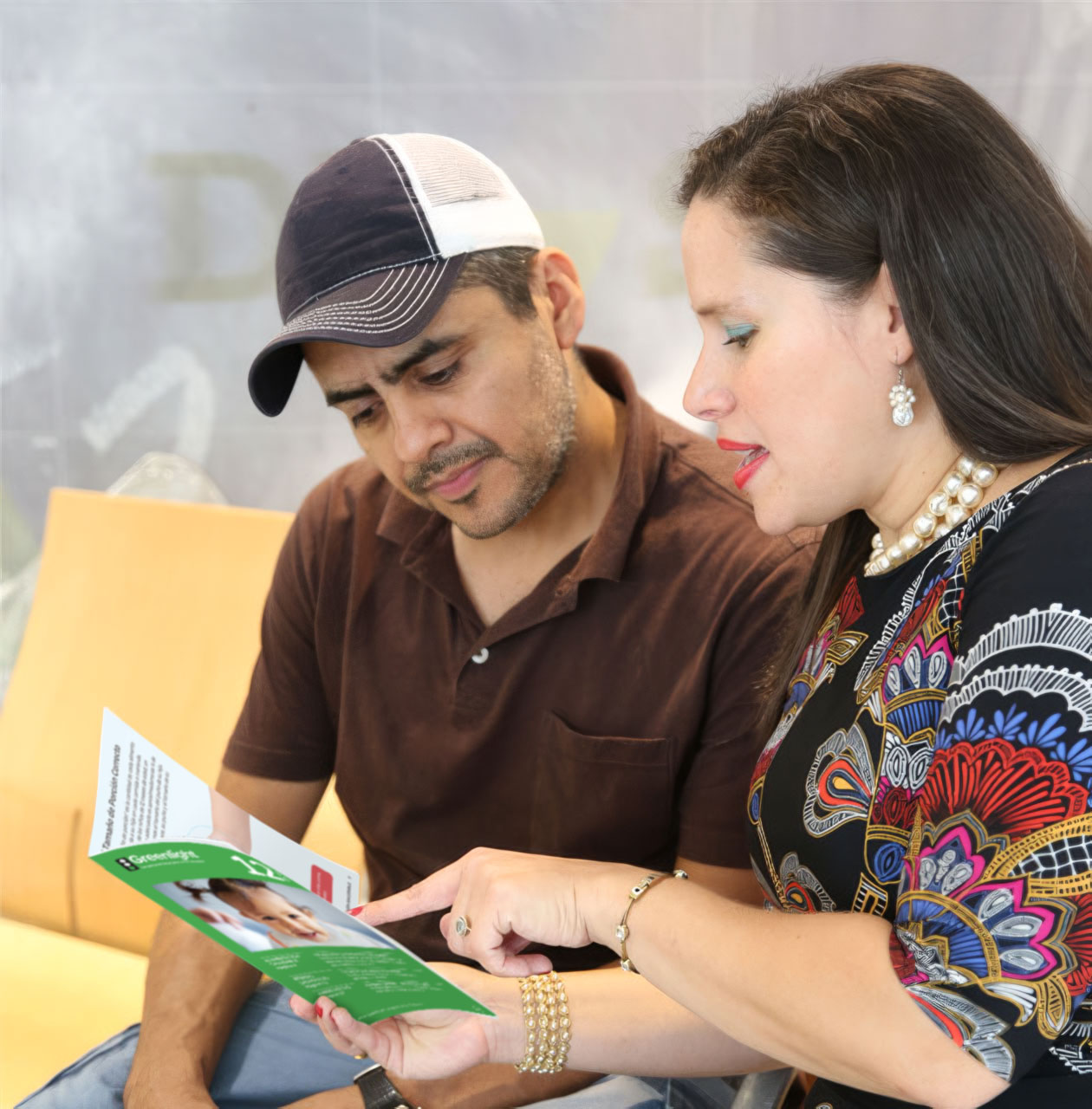
Cultural issues are important to consider when talking to families about diet and activity recommendations. The Greenlight intervention was designed to support the use of linguistically and culturally appropriate terms, examples, and images to capture the main messages presented.

To ensure that messages resonate with families, providers should address the following:

  • Language, including limited skills in communicating in English
  • Family structure and the role of the different people caring for the child
  • Health beliefs and how these may differ from the ‘biomedical model’

Low Literacy Materials

The Greenlight booklets are written at a 6th grade reading level, with lots of photos and images — benefitting both parents and providers. Using the booklets as part of verbal counseling helps providers choose simple language that engages families while reinforcing key age-specific, action-oriented messages. Photos and sample menus were carefully chosen to help families visualize different foods to try, with age-appropriate portion sizes. The last page of every core booklet is a “goal-setting” page — where parents can work with their provider to identify and write down 1-2 specific goals they hope to accomplish in the upcoming few weeks.

LEARN MORE

Tangible Tools

Greenlight messages are reinforced with tools that parents can bring home, such as portion size snack cups, bibs, sippy cups, and a dinner plate. These physical tools allow parents to put the principles of the Greenlight program into practice.

LEARN MORE
CONTACT US
© 2026 Greenlight
Contact Us / Terms & Conditions / Privacy Policy